Definition and Origin of the Merarik Tradition
Lombok Island is not only famous for its beautiful landscapes but also for its rich cultural heritage, which continues to be preserved by the Sasak people. One of the most distinctive traditions is Merarik, a traditional Sasak marriage custom often referred to as the practice of “kidnapping” the bride-to-be. In this context, however, “kidnapping” does not refer to a criminal act but to a customary marriage process that is carried out with the mutual consent of the bride and groom. This tradition has been practiced for generations and is regarded as a symbol of a man’s courage and commitment to marrying the woman he loves. Historically, Merarik is believed to have developed during the period of Balinese influence in Lombok, when taking the bride-to-be was considered a way of preserving the dignity of both the woman and the groom’s family. Over time, it became an important cultural identity that distinguishes Sasak marriage customs from those of other regions in Indonesia.
The Process of the Merarik Tradition
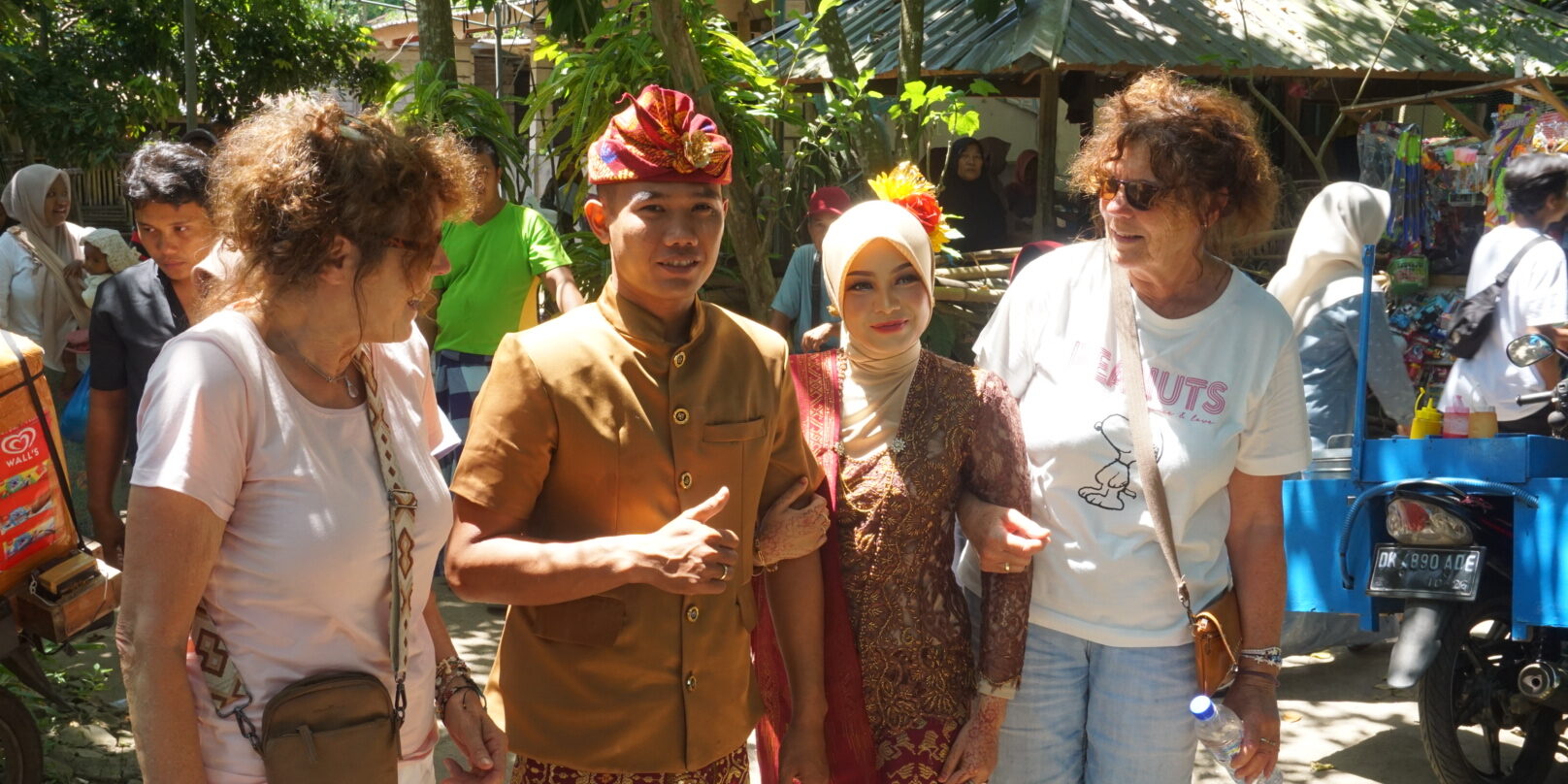
The Merarik tradition follows a series of customary ceremonies. The process usually begins with the bride-to-be being taken to the groom’s family home or a relative’s house at night. Afterward, representatives of the groom’s family formally inform the bride’s family that their daughter has been taken in a stage known as sejati or besejati. Once the notification is delivered, both families discuss the marriage arrangements, including customary obligations and preparations for the Islamic wedding ceremony. Another significant stage is sorong serah aji krama, which symbolizes the groom’s responsibility toward the bride and her family. After all customary rituals have been completed, the couple participates in the nyongkolan procession, a traditional parade accompanied by Sasak music, during which they walk to the bride’s family home. This procession serves as a public announcement that the couple has officially married according to Sasak custom.
Cultural Values and Contemporary Practice
Beyond its ceremonial aspects, the Merarik tradition reflects important cultural values that remain highly respected within the Sasak community, including courage, responsibility, respect for tradition, and the importance of family deliberation. The tradition also strengthens social bonds between families and the wider community, as every stage of the process involves collective participation and cooperation. Although Merarik continues to be practiced, especially in rural areas of Lombok where traditional customs remain strong, its implementation has evolved to accommodate modern legal regulations, social norms, and women’s rights. Today, the Sasak community generally emphasizes that Merarik must always be based on the mutual consent of both the bride and groom and should never involve coercion.